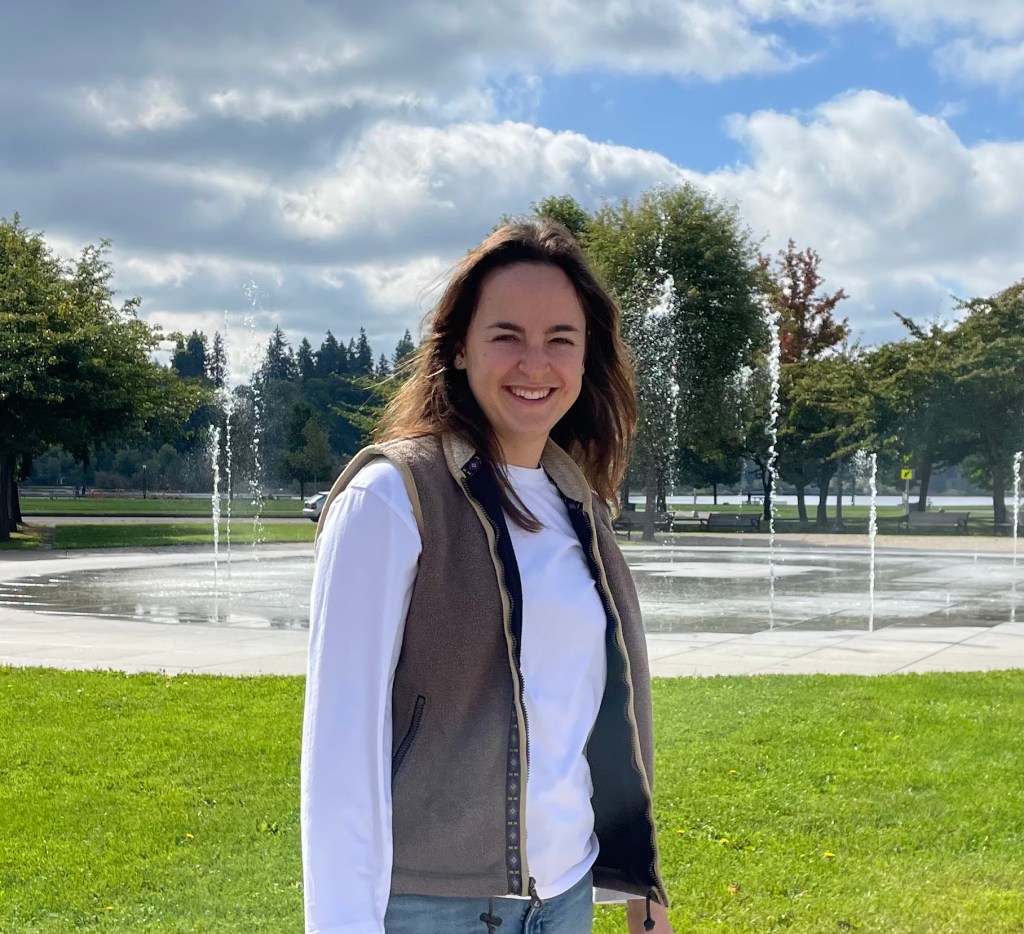
Amelia Ack (she/her)
Wachiay Friendship Centre
Amelia graduated with a BSc from the University of Victoria’s Geography Department in 2021. She is a settler on the territories of the lək̓ʷəŋən peoples, and holds mainly Jewish ancestry, with her family tracing back to Eastern and Northern Europe.
Amelia works at the Victoria Native Friendship Centre as the Climate and Social Justice Coordinator in the Community Action and Learning Department. She supports the development and delivery of Indigenous-led learning programs that centre Indigenous ways of being and knowing and support reconciliation efforts. She is passionate about the more-than-human world and uplifting Indigenous knowledge systems and ways of relating to space. She is interested in research efforts to better understand the ways in which we can work in good relations with natural systems/processes to support the health of our environment and address the climate crisis.

Dr. Yvonne Coady (she/her)
Professor, UVic Software Engineering, Visiting Professor, Khoury College of Computer Sciences, Northeastern University
Dr. Yvonne Coady is a computer scientist and an associate professor in the Faculty of Engineering at the University of Victoria. Her work focuses on emerging avenues of advanced modularity across the software stack, aspect-oriented software development, scalable system infrastructures, distributed, virtualization, traditional system evolution and maintenance, new programming paradigms and future pedagogical directions in concurrent environments
Matt Fuller (he/him)
PhD student, University of Victoria
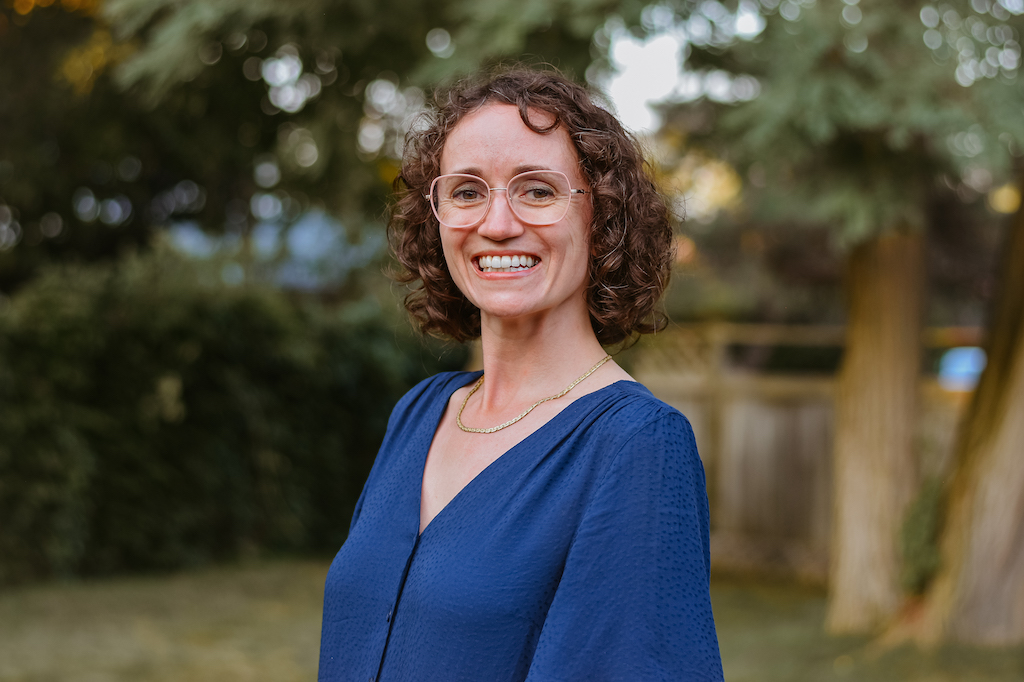
Dr. Alexandra Giancarlo (she/her)
Associate Professor, Kinesiology, University of Calgary
Alexandra Giancarlo, PhD, is a settler scholar and an Assistant Professor in the Faculty of Kinesiology at the University of Calgary, where she applies her broad social sciences training (PhD cultural-historical geography, Queen’s University) to socio-cultural studies of sport and physical activity. The bulk of her work comprises community-engaged research with residential school survivors and their families focusing on histories that examine the impact of sports and recreation on cultural identity. Most recently, she entered into a multiyear partnership with the Siksika (Blackfoot) Nation to research and construct a community sports hall of fame.
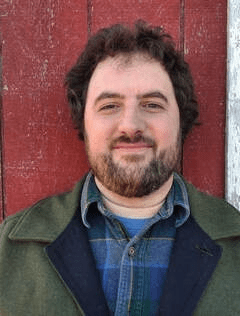
Dr. James Juip (he/him)
Director of Public Participatory Research & Community Outreach,
Michigan Technological University
I am currently Director of Public Participatory Research and Community Outreach at Michigan Technological University’s Geospatial Research Facility. My research interest lies in the integration of community based participatory research, historic geospatial data, and modern interpretation methods to create a more holistic and inclusive narrative of industrial and post-industrial communities. Geospatial Research Facility gives me the opportunity to work with an interdisciplinary team developing research devoted to benefiting the local and broader Great Lakes Community. I am also honored to be a STEAM educator for the Gidakiimanaaniwigamig Indigenous youth camp, hosted by Fond du Lac Tribal College, where I work with community elders to combine S.T.E.M. education with cultural teaching and language to allow students to reclaim traditional lifeways through science and become active participants in the creation of their community heritage.
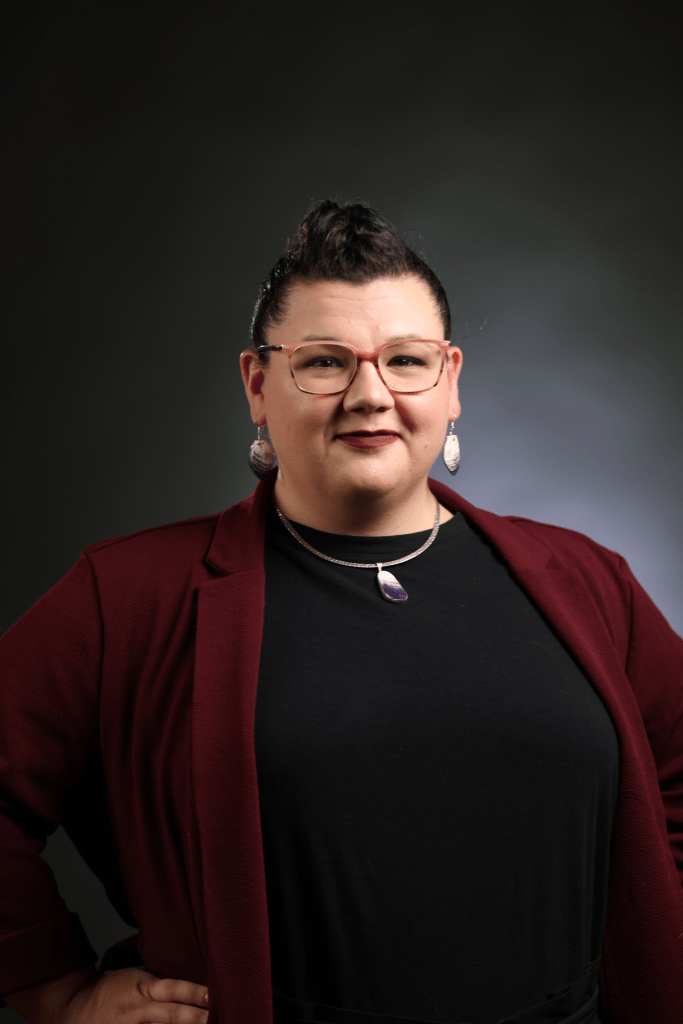
Dr. Larissa Juip (Onondaga/settler) (she/her)
Voyageurs National Park
Dr. Larissa Juip recently completed a PhD in Industrial Heritage and Archaeology at Michigan Technological University and is a first generation scholar of mixed Onondaga and settler descent. She teaches at an Anishinaabe youth STEM camp (gidakiimanaaniwigamig) in Minnesota, where she has been since 2017, and began her current position as Project Manager on the Voyageurs National Park Tribal Co-Stewardship Initiative in August of 2024. Larissa has also served as a member of the Project Learning Tree Education Operating Committee since 2022. Her research interests and foci include industrial heritage, Indigenous research paradigms and methods, ethical research principles, heritage interpretation, ethnographic research, Indigenous storywork, elevating Indigenous voices in heritage interpretation and environmental education, and community-based participatory research.
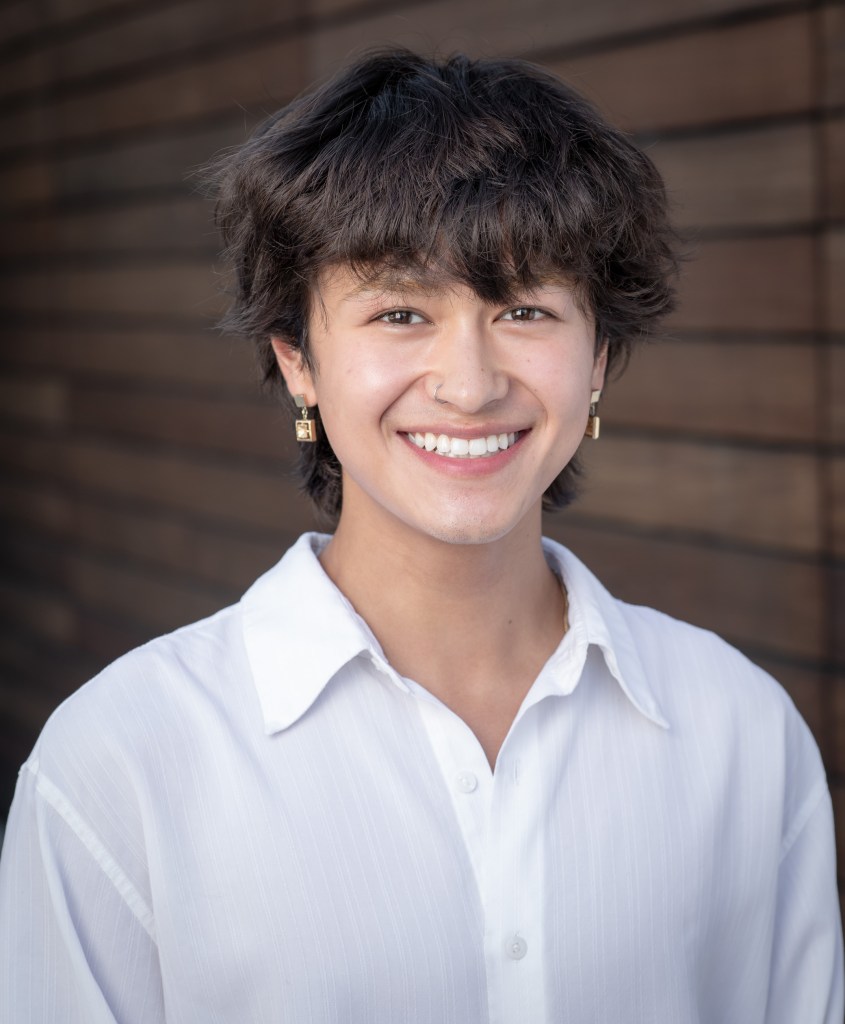
Owen Lee (they/he)
Undergraduate student in American Studies, Occidental College
Owen is going into their final year as an American Studies major at Occidental College in Tovangaar, also known as Los Angeles. Originally from Edmonds, Washington, settled on the ancestral lands of the Suquamish Tribe, Owen developed a passion for environmental sustainability while hiking and swimming amidst the natural wonders of the Pacific Northwest. They are interested in pursuing collaborative projects with Indigenous and diasporic communities that utilize relationship-building and reciprocity to build resilient networks of mutual aid and ecological relations grounded in Indigenous sovereignty.
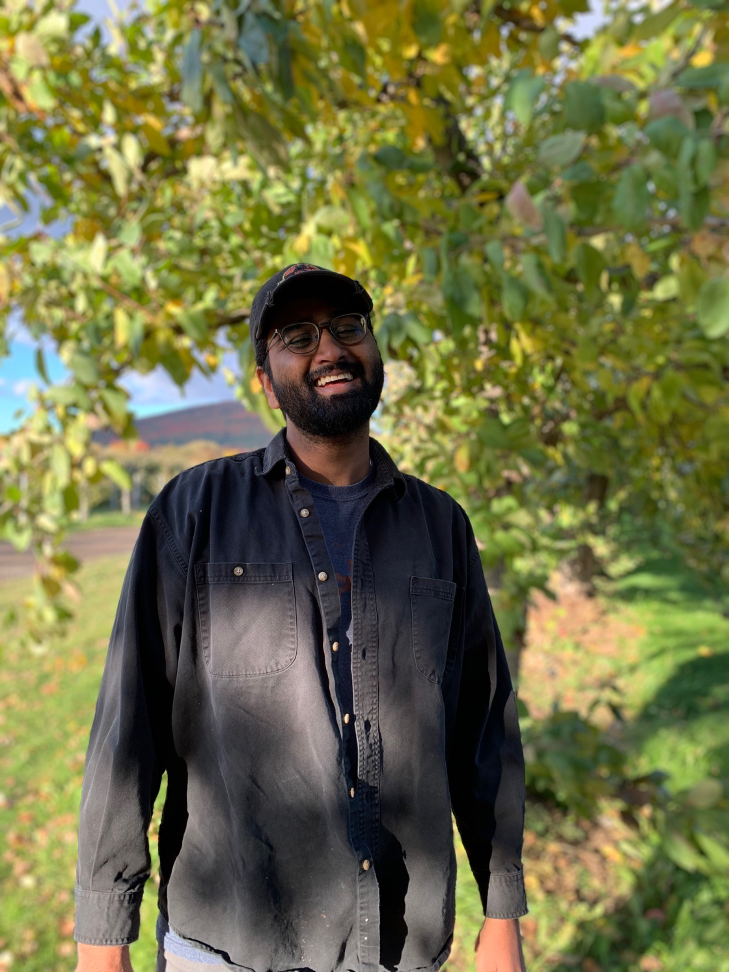
Jugal Patel (he/him)
Esri
Jugal is a member of the GIF Collaboratory, and a Geographer and Product Engineer II at Esri Inc. Jugal’s research focuses on participatory agent-based models of socio-ecological complex adaptive systems, computational movement analysis, computer-human interaction, and human and animal ecology. As a research associate Jugal is developing community-determined simulations of socio-ecological interactions, in hopes of enabling self-determination of Indigenous people and their land, and socio-ecological resilience. Bringing with him a history of developing custom, full-stack data analytics and visualisation solutions across a variety of (local, nonprofit, and multinational corporate) organisations, Jugal is well-equipped to implement analytical and geovisual products to help communities query, understand, and intervene on geographic issues.
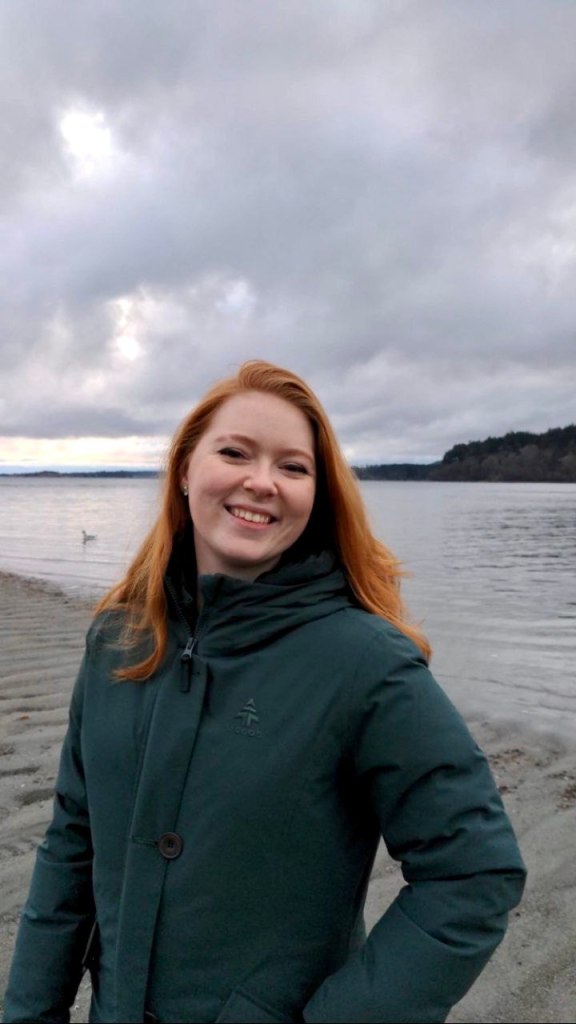
Rhea (Emileigh) Pearson (She/They)
Master’s student, KU Leuven (Belgium)
Rhea is an alumni of the UVic Geography department, completing her BSc in Geography in 2022. She is also a settler of mixed european descent, who originally came to Victoria from the territories of the Stó:lō Nation and Treaty 7 territory.
She currently works full time as a GIS Officer with the Canadian Red Cross, focusing on improving open-source basemaps and involving communities across the country in mapping areas of local interest. She is passionate about disaster management, and how open-source mapping can support community-based preparedness for and response to these events. In 2021, she participated in wildfire responses to the White Rock Lake and Lytton Creek fires, and also worked closely with communities impacted by the floods that same year.
Rhea is also very interested in exploring the influence of the urban environment on perceptions of safety in minority groups, natural processes, and how mapping can be adapted to accommodate and grow to the needs of Indigenous users and their knowledge systems.

Melinda Quintero (she/her)
Associate Faculty, School of Tourism & Hospitality Management
Royal Roads University
Melinda has been editing travel guidebooks since the early 2000s and holds a Master of Arts in Tourism Management degree from Royal Roads University. Her academic interest explores the intersection between tourism, colonization, truth, and reconciliation – specifically examining the role of maps and cartography in perpetuating colonial narratives. Her fascination with maps can be traced through fond memories of her father, an urban planner who would quiz her about the streets of Los Angeles using a Thomas Guide. Melinda is Chicana from Los Angeles, California, currently living, working, and teaching in the lands of the lək̓ʷəŋən-speaking Peoples, the Songhees and Esquimalt First Nations.
Razz Routly (They/Them)
MA Student, Geography, Carleton University
My name is Razz Routly, I am a white, queer, disabled, settler living on the unceded and unsurrendered territory of the Algonquin Anishinaabe in so-called ‘Ottawa’. I am currently completing my undergraduate degree at Carleton University in Geomatics, with minors in Computer Science and Indigenous Studies, and will be starting Carleton’s M.A. program in Geography in Fall 2026.
My current research focuses on how settler remote sensing researchers currently engage (or more commonly, don’t engage) with the Indigenous communities whose land(s) they study. Through the lens of critical remote sensing and Indigenous data sovereignty, I hope to support Indigenous communities in attaining control and self-determination over their data and help use that data to support a livable and just future for all.

Deondre Smiles (Leech Lake Band of Ojibwe) (He/They/Wiin)
Adjunct Professor, Institute for Resources, Environment and Sustainability
University of British Columbia
I’m an Indigenous geographer whose research interests lie at the intersection of several fields, including critical Indigenous geographies, human-environment interactions, political ecology, tribal cultural resource preservation, and science and technology studies.
My current research centres on investigating the political ecologies and political economies of Indigenous death and Indigenous relationships to space in general. I work to understand how the settler colonial state conceives of the political agency of Indigenous death and investigate connections between ‘traditional’ cultural resource management, such as burial grounds/site protection and preservation, and protection of the living environment, including more-than-human kin (animals, plants, water). I argue these processes ultimately shed light on how new political possibilities can be created for all living things, humans and more-than-human alike, in an era of climate crisis. This work is part of a broader years-long research agenda focusing on Indigenous/settler contestations over Indigenous remains and burial grounds.

Anna Soer (she/her)
Ph.D. student, University of Ottawa
My name is Anna Soer. I am a PhD candidate at the University of Ottawa in political science. My research focuses on renewable energy development in Nunavut, with special attention to community engagement, gender, and (epistemological) governance.
I am an international student in Canada, my mother coming from Brittany (France) and my father from Drenthe (the Netherlands), and I moved here in 2021. My life experiences as a migrant while having deep attachments to the lands of my parents inform my scholarship and how I relate to land governance and epistemology.
While I mostly devote my time to my thesis, other research areas include white supremacy and white femininity in a (historical and contemporary) settler colonial context, security in the Arctic, as well as circumpolar development and relations.
I currently live in Kingston, Ontario – homeland of the Anishinaabe, Haudenosaunee Confederacy, and the Huron-Wendat First Nations – with my wife, puppy, and two cats.
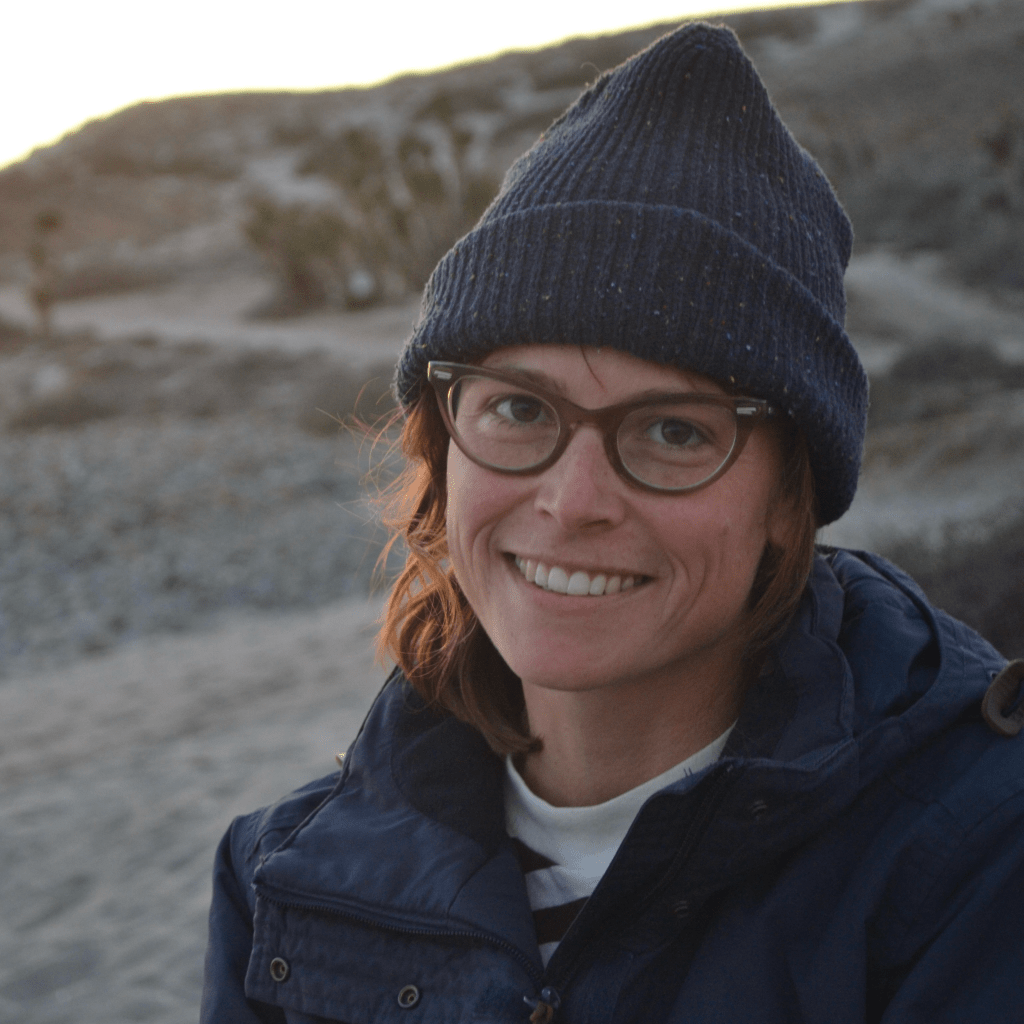
Dr. Maya Weeks (she/her)
Rutgers University
Maya Weeks is a white settler applied critical geographer, writer, and artist who grew up on the rural Central Coast of California. Her work focuses on socio-ecological issues from a liberation perspective. The first in her family to go to college, she earned her Ph.D. in Geography at the University of California in Davis with a dissertation on marine pollution from a feminist environmental justice perspective using social science and artistic methods. Her work largely focuses on pollution, gender, oceans, political economy, regenerative agriculture, and fire, merging terrestrial and aquatic systems. She is the Outreach Manager at the California Public Domain Allottee Association and an affiliated researcher at the University of California in Davis. Maya also surfs and is a shepherd in training. She is grateful to be a guest living and working on Chumash land.
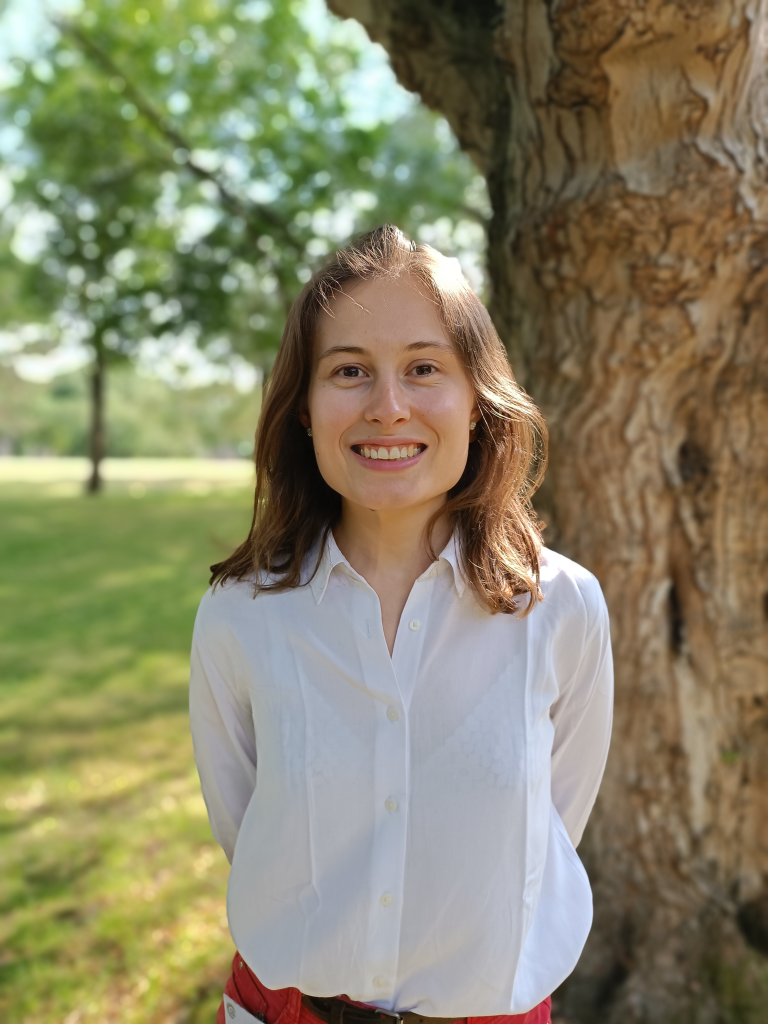
Emma Wolton (she/her)
PhD student, Institut Agro Rennes-Angers, Ecole Normale Supérieure (ENS)
I am an interdisciplinary researcher working at the intersection of cultural geography and environmental philosophy. My research examines the emotional impacts of environmental and climate change, with a particular focus on solastalgia(Albrecht, 2005)—the psychological distress experienced by individuals and communities when their environment is degraded.
My dissertation explores how solastalgia manifests across diverse cultural contexts. Specifically, my fieldwork in Sweden and Arizona examines how the Sami and Tohono O’odham Indigenous communities—both resisting mining exploitation—experience environmental degradation. The main objective of my work is to refine the concept of solastalgia by understanding its varied impacts on different communities, from Indigenous to Western. I investigate how cultural practices, experiences, and representations of place influence emotional responses to environmental change.
 Geographic Indigenous Futures Collaboratory